



From the historic avenues of Paris to the hilltop villages of Nepal, standard public education is currently facing an unprecedented global test. भर्खरै फ्रान्सका ठूला सहरहरूमा देखिएको व्यापक विद्यार्थी आन्दोलन र नेपालका सामुदायिक विद्यालयहरूले वर्षौंदेखि भोग्दै आएको संरचनात्मक समस्यालाई नजिकबाट हेर्दा, यी दुवै देशका चुनौतीहरू सोचेभन्दा धेरै मिल्दाजुल्दा देखिन्छन्।
Although separated by thousands of miles, both nations are wrestling with the fundamental promise of state-funded schooling: सभ्य, सुरक्षित र गुणस्तरीय शिक्षा पाउने अधिकार।
Paris in Turmoil: What Triggered the French Youth Protests?
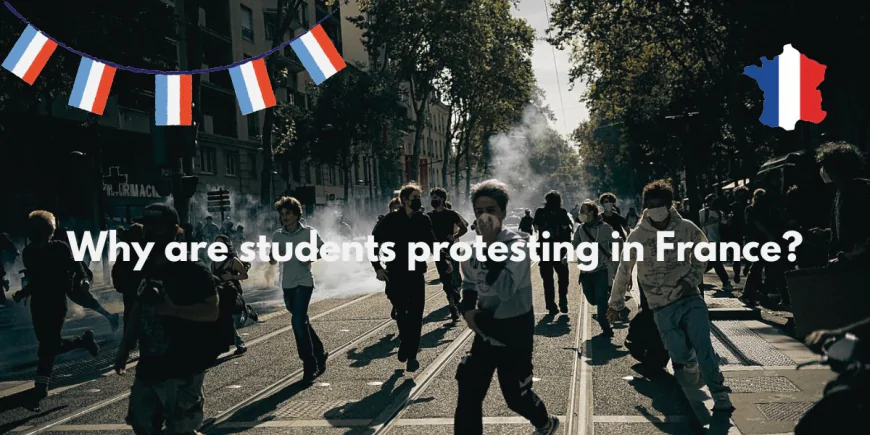
In France, high school (lycée) and university students have organized one of the largest protest movements in recent memory. Major institutions across the country face partial shutdowns and entrance blockades using metal barriers and wheelie bins.
Decaying Infrastructure: Students and teachers are protesting unheated classrooms in winter, leaking roofs, and chronic sanitation neglect.
Severe Staff Shortages: A critical lack of full-time teachers has left many core subjects untaught for weeks at a time.
Protest Escalation: The government deployed riot police to break up blockades, resulting in tear gas clashes, over 200 reported injuries, and widespread arrests.
युरोपको एउटा विकसित मुलकमा विद्यार्थीहरू आफ्ना आधारभूत शैक्षिक अधिकारका लागि यसरी सडकमा ओर्लिनुले के देखाउँछ भने—सार्वजनिक शिक्षाप्रतिको राज्यको बेवास्ता एउटा विश्वव्यापी समस्या बनिसकेको छ।
Nepal’s Community Schools: Parallel Challenges in a Local Context
नेपालका सामुदायिक विद्यालयहरूमा स्थिति झनै जटिल छ। While French students take to the streets over physical facility breakdown, Nepalese public school students encounter deep-rooted systemic hurdles every single day:
Resource Shortfalls & Infrastructure Gaps: Many rural schools still lack basic laboratory equipment, adequate toilets, clean drinking water, and weather-proof school buildings.
The Darbandi Milan Crisis: Subject-specific teacher shortages (विशेष गरी Science, Math, र English मा +2 स्तरमा) forced students to depend heavily on private tuitions to pass board exams.
Demographic Disparity: Urban centers face overcrowded classrooms, while rural schools suffer from declining student enrollment due to internal migration.
नेपालमा शिक्षक महासंघ र राजनीतिक विद्यार्थी सङ्गठनहरूले नीतिगत तहमा आवाज उठाए पनि, भौतिक पूर्वाधारको दैनिक जीर्ण अवस्थालाई लिएर आम विद्यार्थीहरू फ्रान्समा जस्तै स्वतःस्फूर्त रूपमा सडकमा ओर्लिएको विरलै देखिन्छ।
Side-by-Side Comparison: France vs. Nepal
| Dimension | France (Public Sector) | Nepal (Community Schools) |
|
Primary Crisis |
Infrastructure breakdown, budget cuts, teacher vacancies |
Missing labs/sanitation, darbandi gaps, budget misallocation |
|
Student Action |
Mass nationwide strikes, physical blockades, direct confrontation |
Union activism, policy advocacy, community-level discussions |
|
Root Cause |
Strains on welfare-state funding & fiscal austerity |
Transitional governance issues & public vs. private quality divides |
Conclusion: A Universal Call for Educational Equity
चाहे त्यो पेरिसको आधुनिक कक्षाकोठा होस् वा नेपालको कुनै दुर्गम गाउँको विद्यालय, quality public education is the foundation of every society's future. The dramatic protests in France highlight how fiercely students will protect their right to learn, while the ongoing struggles in Nepal emphasize the urgent need for local government accountability and resource management.
Unless governments prioritize education over administrative apathy, students across the world will continue to pay the ultimate price for policy failures.